RPZ Valve
Understanding the issue of why valve balls stick after long periods of inactivity is vital for industries relying on fluid control systems. According to a recent report by the Valve Manufacturers Association, nearly 30% of valve failures during operation result from this sticking issue. This can lead to costly downtimes and inefficiencies in production.
Dr. Emily Taggart, a leading expert in valve technology, emphasizes, "It is crucial to address the root causes of valve ball sticking to maintain operational integrity." Her insights highlight the need for ongoing maintenance practices. Factors contributing to this problem include corrosion, debris accumulation, and material fatigue, all exacerbated by prolonged inactivity.
Inadequate preventative measures can result in significant disruptions. Industries must prioritize regular inspections and maintenance protocols. While it may seem straightforward, many overlook routine checks until failure occurs. This neglect leads to questions surrounding the reliability of systems designed to be dependable. Addressing why valve balls stick after long periods of inactivity is more than a technical query; it’s a call to action for improved industry standards.
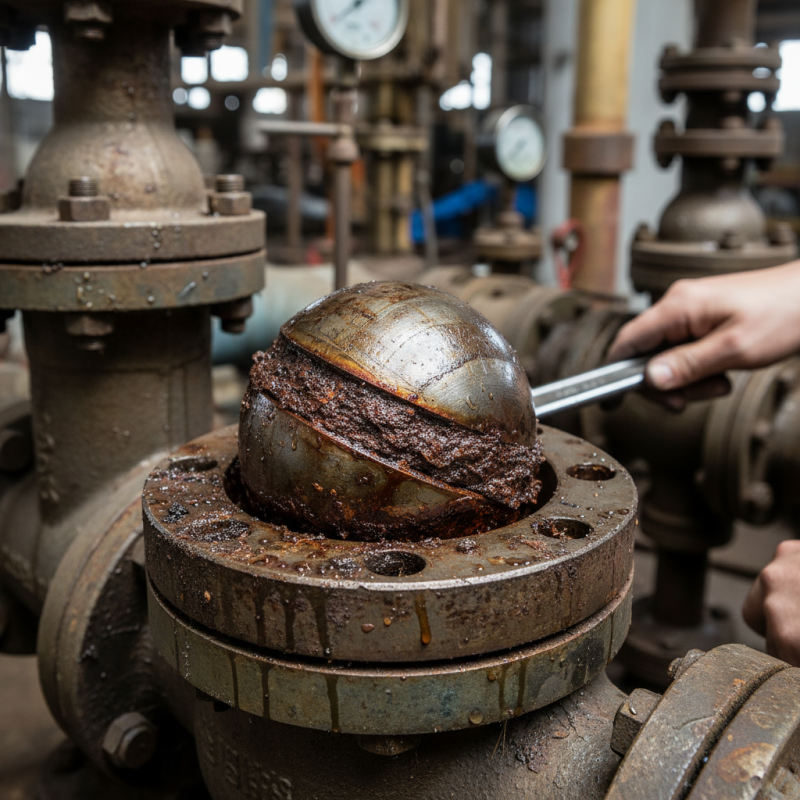
Valve balls can stick after long periods of inactivity due to various factors. One primary cause is the accumulation of debris and contaminants. Dust, dirt, and even moisture can settle into the valve seat and around the ball. This buildup creates a bond that is difficult to break. When the valve is inactive, it can effectively "weld" the ball in place, leading to issues during operation.
Temperature fluctuations also play a significant role. If a valve is exposed to extreme temperatures, it may expand or contract. This movement can cause misalignment, which increases the chances of sticking. Moreover, certain lubricants may degrade over time, losing their effectiveness. The residual compounds may harden and contribute to the sticking problem. Cleaning and properly lubricating valves before extended downtime can mitigate these issues.
Regular inspections become essential. Operators often overlook the importance of routine checks after extended inactivity. Without such diligence, minor issues can escalate into serious problems. Understanding these causes fosters better maintenance practices. Adaptation and proactive measures can extend the life of the valve and prevent sticking.
Corrosion significantly affects the functionality of valve balls, especially after prolonged inactivity. Over time, moisture and contaminants can accumulate on the surface of valve components. This leads to the formation of rust or other corrosive layers. Even a minor buildup can cause the valve ball to stick, disrupting fluid flow. In many cases, operators discover this only when they try to open the valve again.
Corroded valve balls often exhibit signs of pitting or uneven surfaces. Such imperfections hinder smooth movement, making it difficult to operate the valves. Maintenance teams may need to regularly inspect these components to prevent unforeseen failures. However, many neglect this aspect, assuming parts remain functional without use. Not addressing these issues could lead to costly repairs and operational delays. Regular maintenance and prompt actions are essential for reliable performance.
Valve ball sticking is a common issue after prolonged inactivity. Lubrication plays a crucial role in alleviating this problem. Without proper lubrication, valve components can corrode or seize. A report from the National Bureau of Standards notes that the friction coefficient can increase by up to 30% without adequate lubrication. This increase can lead to operational failures in critical systems, particularly in industrial applications.
Lubricants create a protective film between moving parts. According to a study by the Society of Tribologists and Lubrication Engineers, properly applied lubricant can reduce wear by nearly 50%. However, not all lubricants are effective for every application. Industry professionals recommend selecting lubricants based on temperature and pressure conditions to maximize performance. Some lubricants break down over time, losing their effectiveness, which can lead to serious issues.
When valves sit idle, moisture can enter the system. This leads to rust and degradation of the lubricant. A well-planned maintenance strategy is essential. Regular checks can prevent sticking issues, ensuring smooth operations. Investing time in maintenance often yields better long-term results. Ignoring these factors can result in increased downtime and unnecessary repair costs.
Valve ball sticking can be a frustrating issue. Proper maintenance practices are crucial in preventing this problem, especially after long periods of inactivity. Regular inspection of valves helps identify potential sticking risks. Dust and debris can accumulate, causing components to jam. A simple visual check can reveal these issues early.
Lubrication is another vital aspect of maintenance. Using the appropriate lubricants protects the ball from corrosion. Inactive valves should be exercised periodically. This ensures movement and reduces the likelihood of sticking. It is important to remember that neglecting these steps can lead to more severe operational failures.
Training staff on valve maintenance can enhance reliability. Understanding the basics allows teams to spot issues sooner. Delaying maintenance might seem easier but can lead to costly repairs down the line. Even small oversights, like forgetting to check seals, can have significant consequences. Each step taken in maintenance matters greatly in the long run.
| Cause of Sticking | Preventive Measure | Recommended Maintenance Frequency |
|---|---|---|
| Corrosion Build-Up | Regular inspection and lubrication | Every 6 months |
| Debris Accumulation | Install strainers and perform thorough cleaning | Quarterly |
| Sealing Failure | Use quality seals and perform routine checks | Annually |
| Temperature Changes | Maintain stable temperatures; insulation may be needed | As needed |
| Lack of Operation | Implement periodic cycling | Every month |
Valve balls can stick after prolonged inactivity, which creates significant challenges for equipment performance. This sticking issue often arises due to environmental conditions, such as humidity and temperature fluctuations. Over time, contaminants may accumulate, leading to a poor seal and reduced function. Identifying symptoms early can prevent major repairs or replacements.
Common signs of sticking valve balls include irregular operation and unusual noises. You might notice a delay in the valve response or feel resistance when turning the handle. In some cases, visible corrosion may appear around the valve. These symptoms indicate the necessity for immediate inspection and maintenance to ensure optimal equipment performance.
Tips: Regular maintenance checks can help. Clean the valve and its components frequently. Apply lubricants that are appropriate for your valves’ materials. Don’t overlook minor issues. They can escalate quickly into major problems. Consider using valve covers when equipment is inactive. This reduces dust and moisture exposure, prolonging the life of the valve system.
: Valve ball sticking often occurs after prolonged inactivity, influenced by humidity and temperature changes.
Lubrication creates a protective film between moving parts, reducing friction and wear significantly.
Lack of lubrication can lead to corrosion and an increase in friction, compromising operational performance.
Look for delays in valve response, unusual noises, or visible corrosion around the valve area.
Regular maintenance checks are essential. Clean and lubricate valves frequently, and use appropriate lubricants.
No, lubricants vary in effectiveness based on temperature and pressure conditions. Proper selection is crucial.
Minor issues can escalate into significant problems, leading to increased downtime and costly repairs.
Yes, using valve covers reduces dust and moisture exposure, extending the lifespan of the valve system.
Regular checks are crucial, but the specific frequency depends on environmental factors and usage conditions.
Yes, some lubricants degrade over time, losing effectiveness and potentially causing operational issues.
The article "Why Do Valve Balls Stick After Long Inactivity?" explores the various factors contributing to the sticking of valve balls when they remain unused for extended periods. One significant cause is corrosion, which can deteriorate the material and impede fluid movement, thereby affecting functionality. Additionally, inadequate lubrication plays a crucial role; without proper lubrication, the friction between the valve ball and its seat increases, leading to sticking issues.
To mitigate valve ball sticking, maintenance practices are essential. Regularly checking and applying lubrication can prevent rust and buildup, ensuring smooth operation when the equipment is needed. The article also outlines symptoms that indicate valve balls may be sticking, such as abnormal pressure readings and difficulty in operation, emphasizing the importance of timely inspections. Understanding why do valve balls stick after long periods of inactivity can help in implementing effective preventive measures.
